LMS
LMS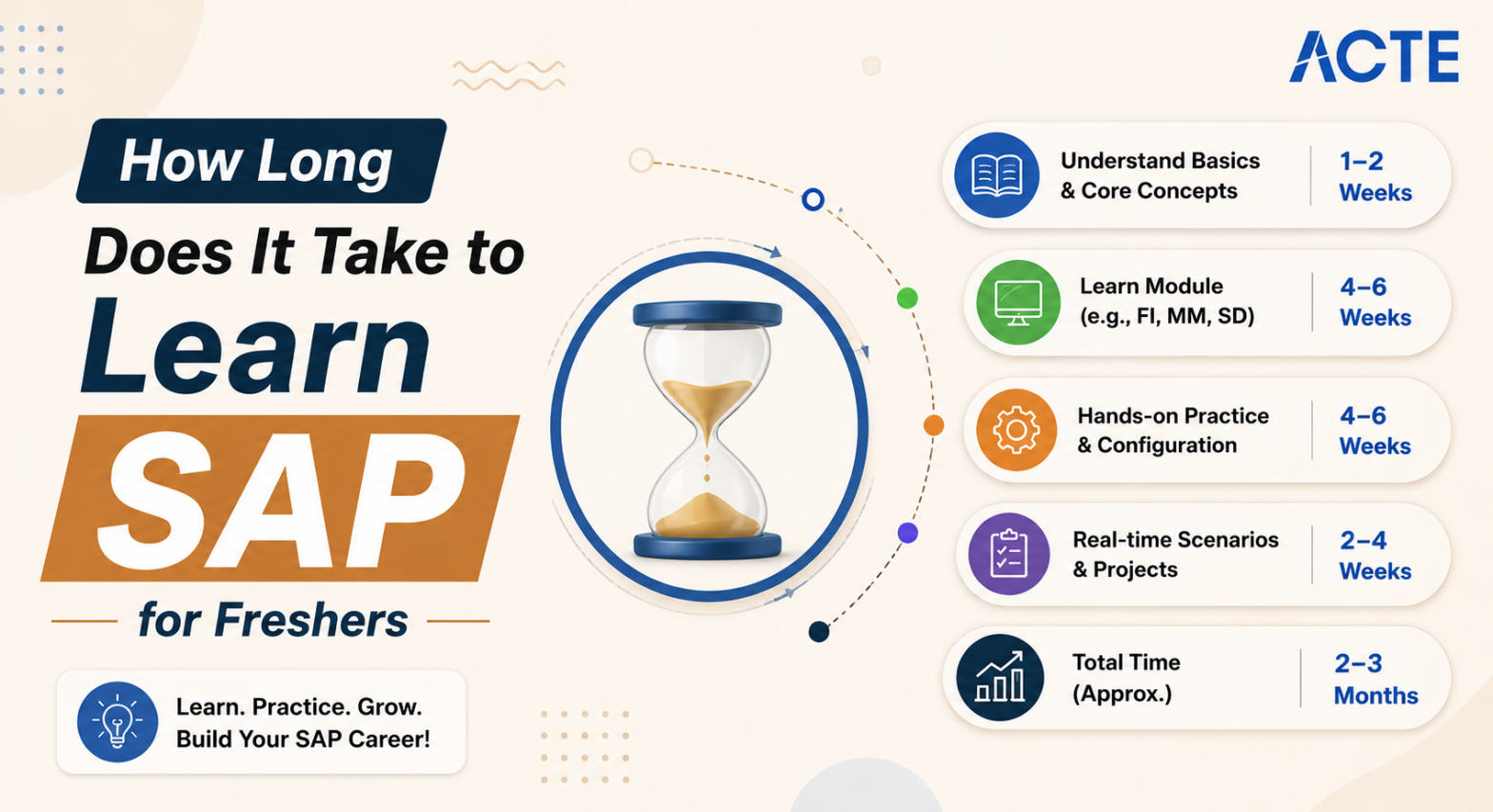
Last updated on 11th May 2026| 11258

- Introduction How Long Does It Take to Learn SAP for Freshers?
- Understanding SAP Terminology and Navigation
- Core Module Theoretical Training
- Hands-On Practice with Real Scenarios
- Preparing for SAP Certification
- First Job Onboarding and Real-World Exposure
- Mastering Advanced Configurations
- Continuous Learning and S/4HANA Upgrades
- Conclusion
Introduction – How Long Does It Take to Learn SAP for Freshers?
One of the most common questions freshers ask before starting their ERP journey is exactly how much time they need to invest before they are job-ready. The honest answer is that learning SAP is not a single event but a continuous process that happens in distinct phases. You cannot learn everything about SAP in a month , but you also do not need three years to get your first job. The timeline depends heavily on whether you are studying full-time or part-time, and which specific module you choose. so join SAP BASIS Training Learn Some modules require a strong background in accounting, while others rely more on supply chain logic. If you follow a structured path and have access to a practice system, you can go from absolute zero to landing an interview in about three to six months. Breaking down this timeline into specific milestones helps you track your progress and keeps you from feeling overwhelmed by the sheer size of the software. Always remember that SAP learning is cumulative, meaning each milestone builds on the previous one. Staying consistent with daily practice ensures you reach job-ready status faster. Keep a personal progress tracker to monitor your learning curve. This helps you stay motivated and ensures you don’t miss critical steps in your journey.
Understanding SAP Terminology and Navigation
The very first phase of your SAP journey Understanding SAP Terminology should take about one to two weeks, and it involves simply learning how to drive the software. Before you can configure a single business process, you need to understand the SAP GUI interface, know what a transaction code is, and learn SAP BASIS Training for how to navigate through menus. You also need to memorize the basic terminology that SAP uses, because the software has its own specific names for standard business activities. This step is crucial because trying to learn module concepts while simultaneously struggling to find your way around the interface will only frustrate you. Once you can comfortably log in, enter T-codes, use the search help functions, and understand basic data dictionary concepts, you have built the necessary foundation. Do not rush past this beginner stage, as feeling completely comfortable in the SAP environment makes every single thing you learn afterward much easier to digest and apply. Practicing navigation daily, even for short sessions, builds confidence quickly, and creating flashcards for SAP terminology and T-codes makes your skills second nature.
Ready to Get Certified in SAP BASIS ? Explore the Program Now SAP BASIS Training Offered By ACTE Right Now!
Core Module Theoretical Training
- Selecting Your Specialized Module: Before diving into theory, you must lock in your choice between FICO, MM, SD, or another module. This decision dictates what you study next. Trying to learn the theory of multiple modules simultaneously will only confuse you and stretch your timeline out unnecessarily.
- Learning Business Process Flows: This phase takes about three to four weeks. You need to understand the “why” behind the software before you touch the “how.” For example, in MM, you learn the complete procure-to-pay cycle on paper before configuring it in the system.
- Understanding Master Data Concepts: Every SAP module relies heavily on master data, which are the core records your business runs on. You spend time Top SAP Modules learning how to create customer master records, vendor masters, or material masters depending on your module.
- Studying Organizational Structure: You must learn how a company is mapped inside SAP. This means understanding concepts like company codes, plants, sales organizations, and storage locations. This structural hierarchy is the backbone of all your future configuration work.
- Grasping Integration Points: SAP modules do not work in isolation. During your theory phase, you must learn how your module connects to others. For instance, an SD consultant needs to know exactly how a sales order triggers a billing document in FICO. This integration knowledge is what separates average learners from great consultants.

Hands-On Practice with Real Scenarios
Once you finish the theory, you move into the most critical phase, which takes about four to six weeks. Reading about SAP configuration and Best Sap Course for Freshers is completely useless unless you actually practice it on a live SAP system. You need to rent access to an SAP sandbox server and start executing the business flows you just studied. If you are learning SD, you should practice creating a customer, raising a sales order, generating a delivery note, and finally creating an invoice. You will make mistakes, you will get error messages, and you will have to figure out how to fix them. This hands-on struggle is exactly where the real learning happens.
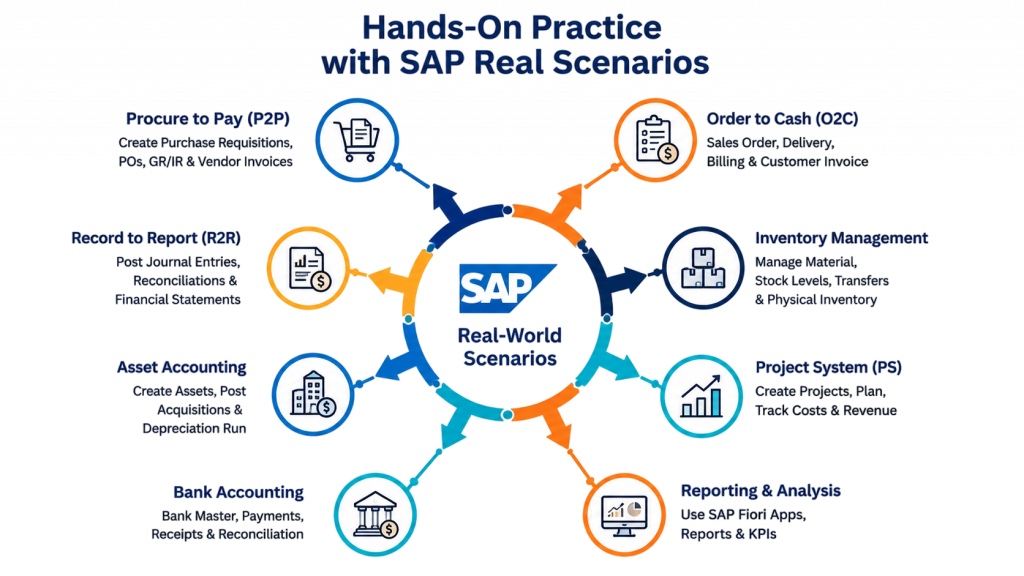
Do not just follow step-by-step guides blindly; try to configure the system on your own first and use the guides as a backup. The goal of this phase is to build muscle memory so that when an interviewer asks you to explain a configuration, you can visualize the exact screen in your head. Practicing daily builds confidence faster, and documenting your mistakes with solutions helps you retain knowledge more effectively. Over time, this habit ensures you can troubleshoot independently and explain processes clearly during interviews.
Excited to Obtaining Your SAP BASIS Certificate? View The SAP BASIS Training Offered By ACTE Right Now!
Preparing for SAP Certification
Preparing for the official SAP certification usually takes an additional three to four weeks of focused study. While you do not technically need a certification to get a job, having one proves to recruiters that your knowledge meets global standards. The certification exam is notoriously tricky like SAP FICO Vs SAP MM Vs SAP Ed and tests your understanding of edge cases and system behavior, not just basic definitions. You should obtain official SAP study materials or enroll in a recognized training course that provides mock exams. Spend this time taking as many practice tests as possible to get used to the wording of the questions. The exam requires deep conceptual clarity, so use this phase to fill in any gaps in your understanding. Passing this exam is a massive confidence booster and gives your resume the exact credibility it needs to stand out in a crowded fresher job market. Consistency in Continuous Learning revision ensures you retain concepts, and simulating exam conditions during practice tests helps you manage time effectively. These habits make the actual exam less stressful and increase your chances of success.
Are You Considering Pursuing a Gen AI Master’s Degree? Enroll For SAP BASIS Expert Masters Program Training Course Today!
First Job Onboarding and Real-World Exposure
- Corporate Training vs Academic Learning: When you finally land your first job, a new learning phase begins that typically lasts about three to six months. Corporate training is vastly different from academic learning, exposing you to custom client requirements not found in manuals.
- Functional Specification Documents: You will learn how to read functional specification documents, collaborate with senior consultants, and test the system in a Quality Assurance environment. This helps you understand real client requirements and improve problem-solving skills in SAP projects.
- Working with Live Data: The initial weeks can feel overwhelming because you are suddenly working with live data that impacts a real business Now Top companies hiring SAP freshers. This is the phase where you transform from a trained student into an employable SAP consultant.
- Embracing the Onboarding Curve: Embrace the steep onboarding curve, ask questions, and take detailed notes on how your company handles specific customizations. This accelerates your growth. Continuous learning and active communication help you adapt faster in a professional SAP environment.
- Client Communication Exposure: You may participate in internal discussions, requirement gathering sessions, and support calls with clients. This develops your teamwork, communication, and business interaction abilities.
Mastering Advanced Configurations
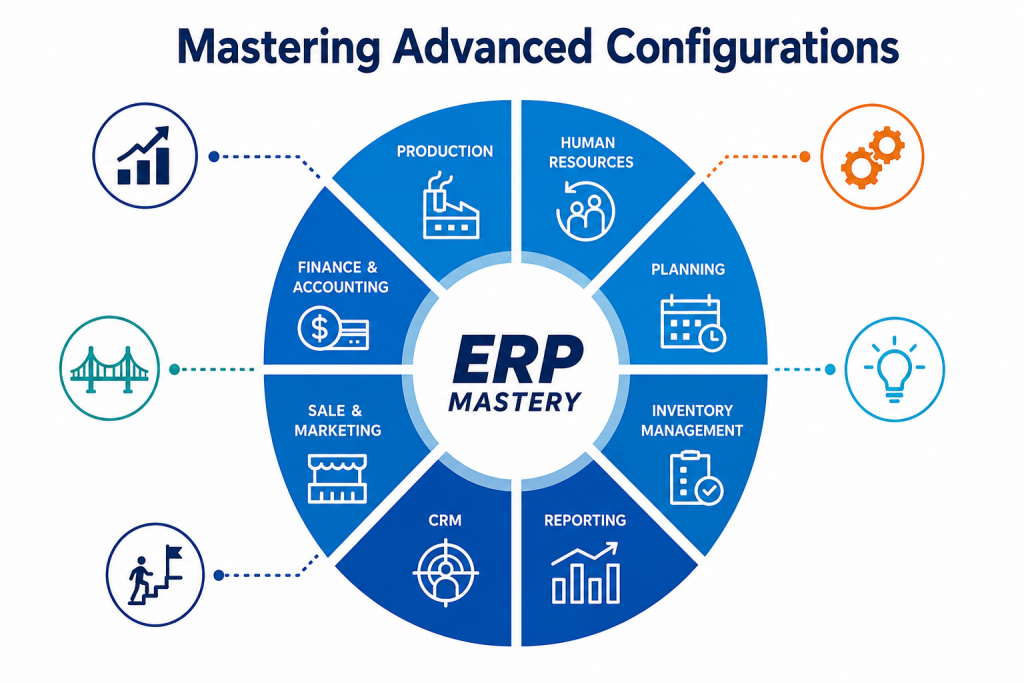
- Timeline for Growth: After one to two years in the industry, you move into mastering advanced configurations. This phase happens naturally as you take on more complex project tasks.
- Beyond Standard Processes: You progress from basic order creation or invoice processing into areas like automatic account determination, complex pricing routines, or advanced output management
- Bridging Business and Coding: You begin writing functional specifications for ABAP developers, Build Strong Resume for SAP Freshers and learning to bridge the gap between business requirements and custom coding.
- Architectural Thinking: This phase elevates your understanding from surface-level to deep architectural thinking. You stop following instructions and start designing solutions for complex business problems.
- Path to Senior Roles: Mastering advanced configurations qualifies you for senior consultant roles and significantly thats why SAP is High Demand increases your salary expectations in the job market.
Set to Ace Your SAP BASIS Job Interview? Check Out Our Blog on SAP BASIS Interview Questions & Answer
Continuous Learning and S/4HANA Upgrades
The final phase of Continuous Learning SAP has no end date because the technology itself constantly evolves. SAP is currently pushing a massive global transition from its older ECC version to the new S/4HANA platform, which features a completely redesigned user interface and a new database architecture. Even senior consultants with ten years of experience have to dedicate time to learn these new workflows. As a fresher, you should focus your initial learning directly on S/4HANA so you are instantly relevant to modern implementation projects. Beyond version upgrades, you must stay updated on new integrations with artificial intelligence, cloud deployments, and industry-specific solutions. Dedicating a few hours every month to reading SAP community blogs, watching release updates, and exploring new features ensures your skills never become outdated. In the SAP BASIS Training, the learning never truly stops, and that continuous growth is what makes the career so financially rewarding over the decades. Staying proactive with updates ensures you remain competitive, and building habits of monthly learning keeps your expertise sharp. Over time, this consistency transforms you into a consultant who adapts quickly and thrives in evolving enterprise environments.
Conclusion
Figuring out how long it takes to learn SAP for freshers is highly dependent on how disciplined you are with your schedule. If you are consistent, you can cover the basics, get hands-on practice, and earn your certification in about three to six months. However, that initial timeframe only makes you eligible for an interview; the real learning happens on the job over the next one to two years. You must be patient with yourself during the early phases of configuration and error messages. Join SAP BASIS Training Make You Do not rush the process just to put SAP on your resume, because interviewers will easily expose shallow knowledge. Treat your SAP education like a marathon rather than a sprint. Build a strong foundation, practice relentlessly on a live server, and embrace the fact that you will be learning new things about this software for the rest of your professional life. Once you accept that timeline, the journey becomes much less stressful and much more exciting. Staying disciplined ensures steady progress, and embracing continuous learning makes you adaptable in real-world projects. Over time, this mindset transforms you into a confident fresher who grows into a skilled SAP consultant.